Craft1 October 20262 min read
The Story Behind Indian Handlooms
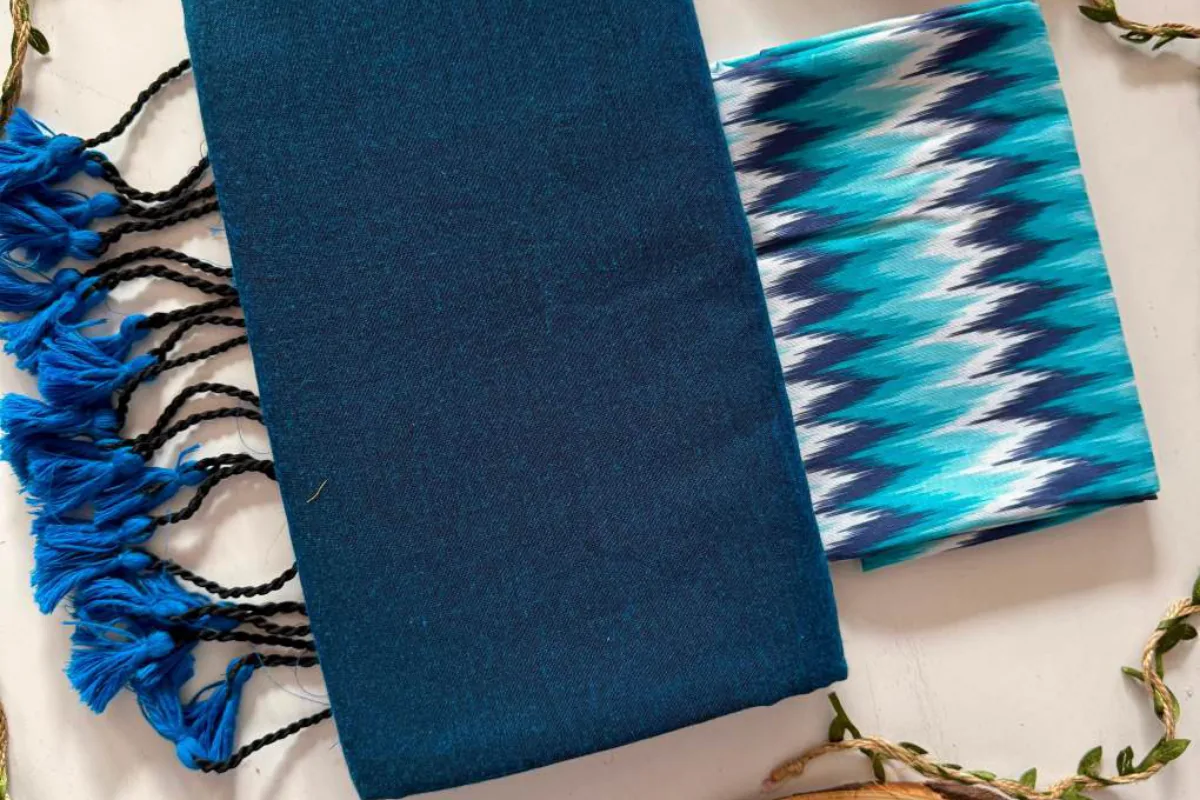
What a pit loom does that a power loom cannot, and why the difference is still visible forty washes later.

Mehendi to reception: what to wear, what to avoid, and how to look considered in photographs you will keep.
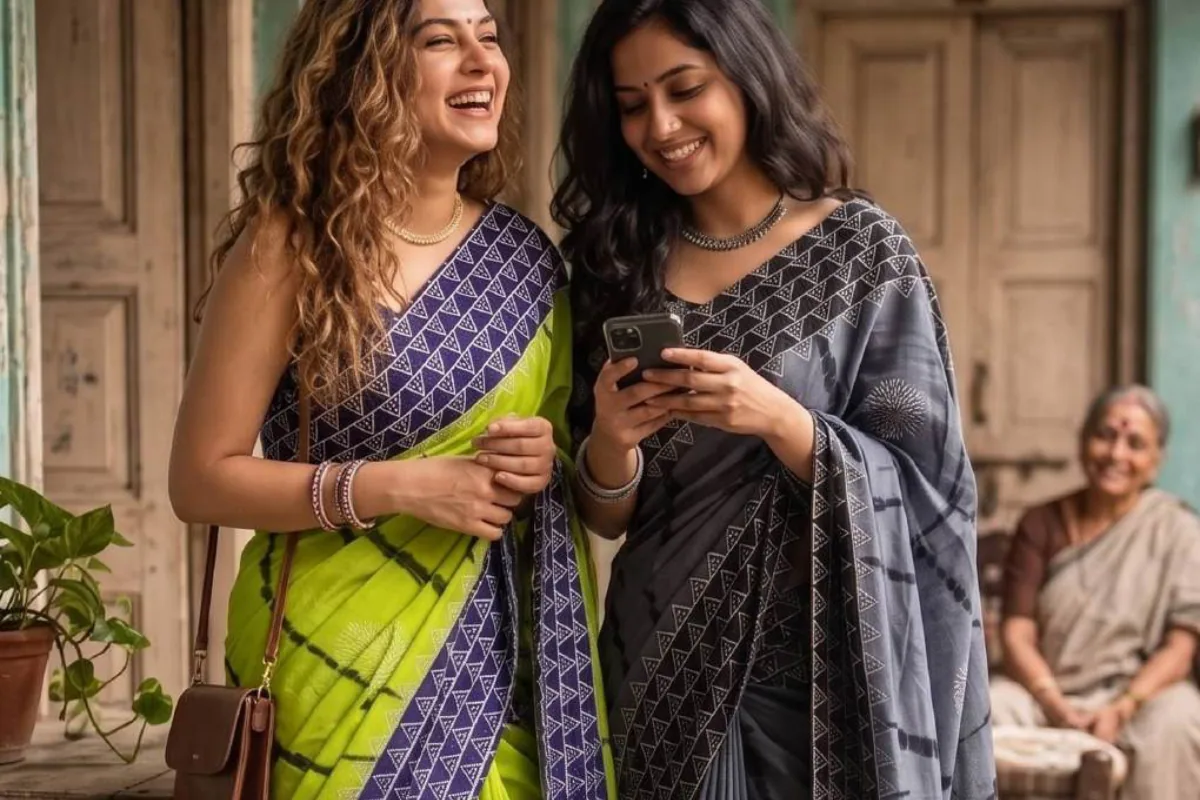
Indian weddings run for days, each with a different light, a different floor and a different amount of sitting on it. Dressing well across them is mostly about matching the fabric to the event rather than the outfit to the theme.
Light fabrics in strong colour. Mul mul cotton, linen, a printed georgette. You will be sitting for a long time with henna drying on your hands, so nothing that needs adjusting and nothing pale enough to show a smudge.
Wear something you are genuinely willing to lose. Turmeric does not come out of silk. Yellow is traditional and also practical for exactly this reason.
This is the one where you will be on your feet. A georgette or a soft silk drapes well and moves with you; a heavy Kanjivaram will be a burden by the second hour. Pin the pallu.
Cover the shoulders, keep the drape traditional, and this is where a heavy silk earns its place: you will mostly be seated, the light is usually flattering, and the photographs from this hour are the ones that get framed.
Indoor lighting flattens colour and flattens zari with it, so this is the event where a deeper shade and a heavier weave read best. A Kanjivaram or a heavy silk in a saturated colour photographs far better under banquet lighting than a pastel does.
Whatever you wear, try the full drape at home first, with the blouse and the petticoat you intend to use. A saree that has never been worn behaves differently from one that has, and the morning of a wedding is a bad time to find out.
What a pit loom does that a power loom cannot, and why the difference is still visible forty washes later.
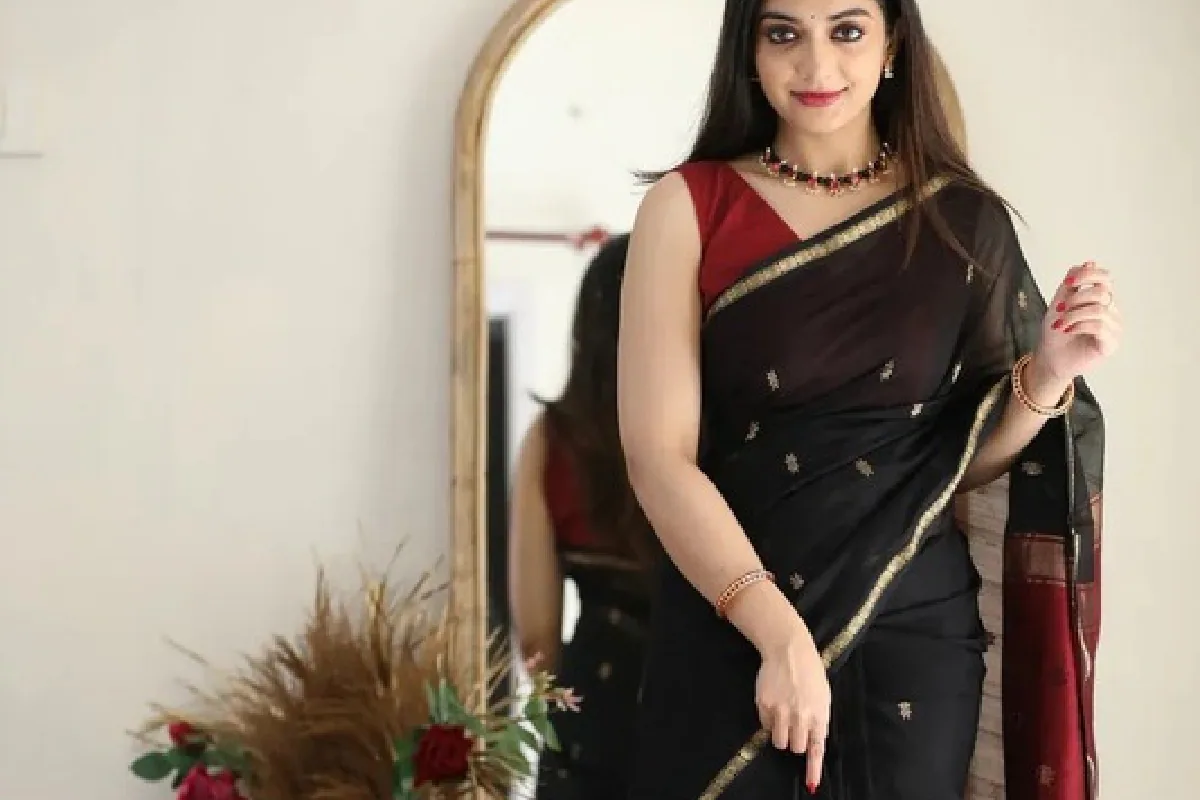
Six ways to wear an heirloom weave without it wearing you — from the drape to the blouse to what you leave off.