Occasions8 October 20262 min read
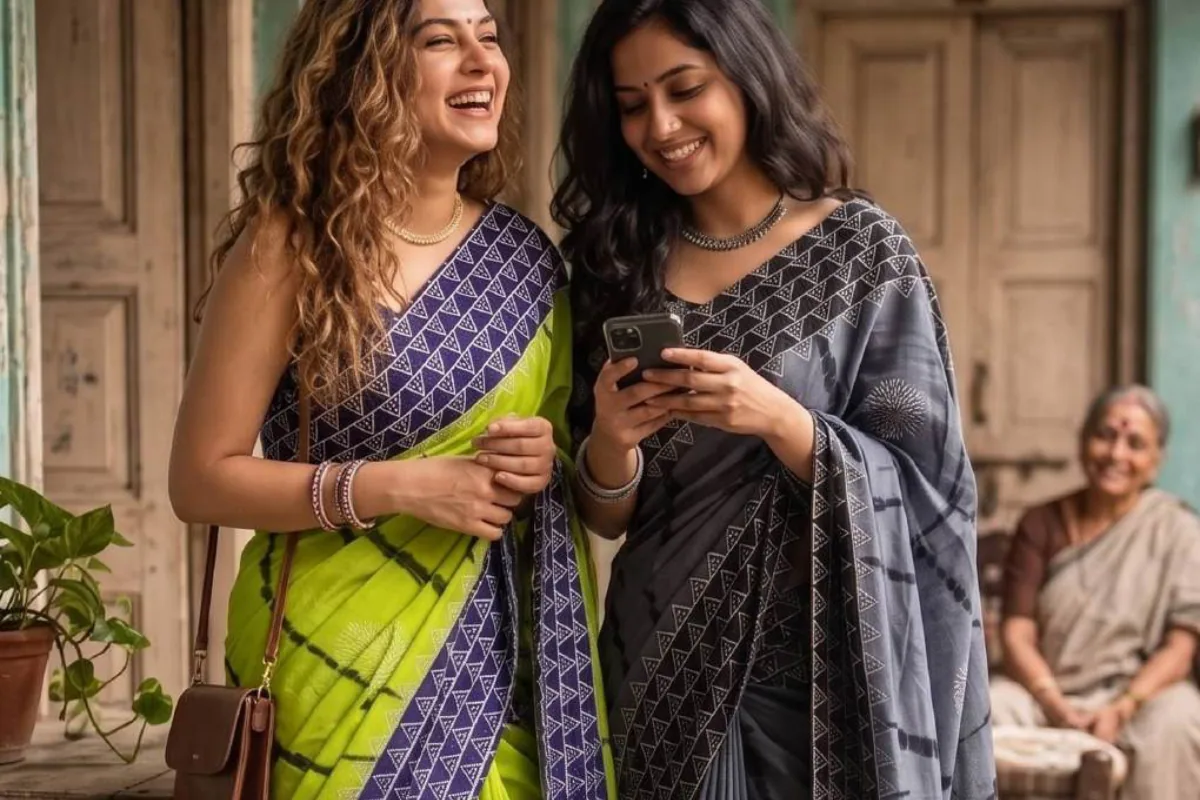
The Wedding Guest Dressing Guide
Mehendi to reception: what to wear, what to avoid, and how to look considered in photographs you will keep.

What a pit loom does that a power loom cannot, and why the difference is still visible forty washes later.
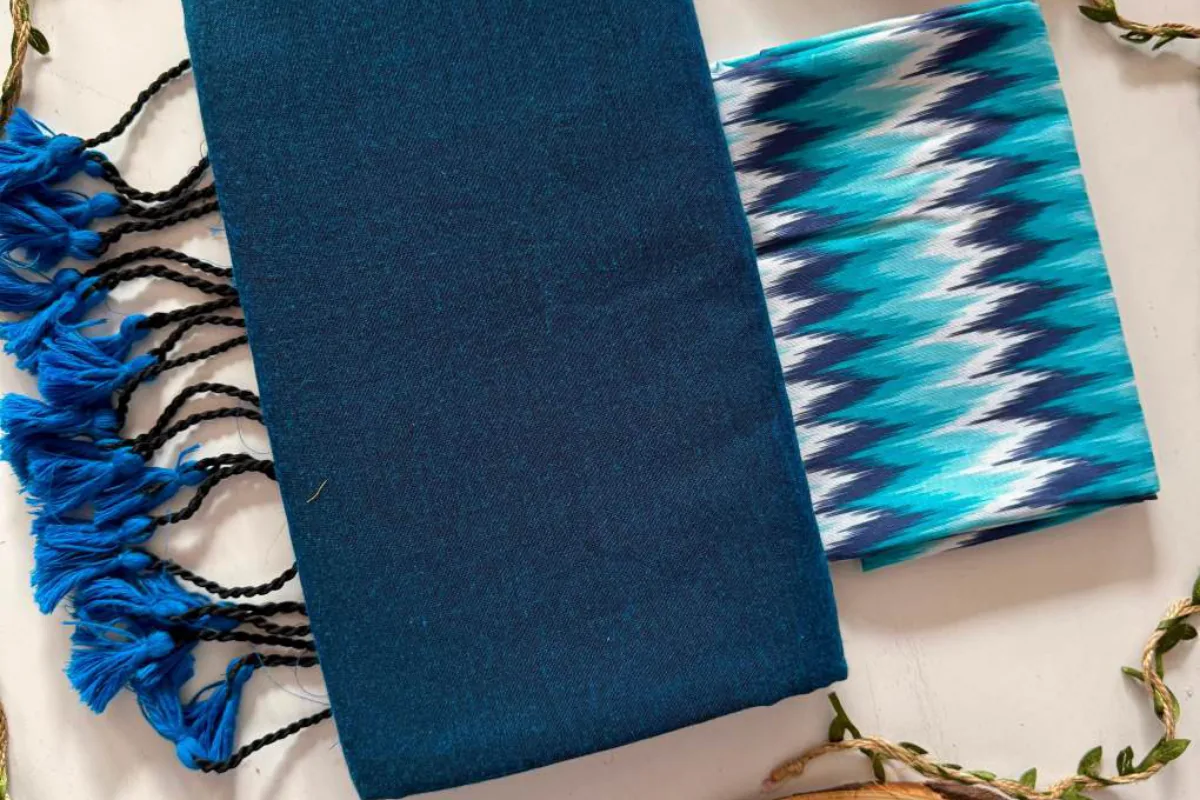
The difference between a handwoven and a power-loomed saree is not craftsmanship in the abstract. It is a set of specific, physical differences in how the cloth is made, and each one shows up later in how it wears.
A power loom holds the warp under constant, high tension and beats the weft in mechanically. A handloom weaver adjusts tension continuously by feel, and beats with a hand-operated reed. The handwoven cloth ends up slightly less dense and slightly less even — which is exactly why it drapes better and why it softens rather than thinning with washing.
A power loom produces metres an hour. A pit-loom weaver producing an intricate Banarasi may manage a few inches a day, because every motif is picked by hand with separate shuttles for each colour. The price difference between the two is mostly this, and so is the difference in how the reverse of the cloth looks: a handwoven brocade has loose floats and cut threads on the back where a power-loomed one has a machine-neat finish.
Slubs in mul mul, a slightly wandering border, a motif that is a thread out of alignment — these are the signature of a hand process, not faults in it. A cloth with none of them at all, sold as handloom, is worth a second look.
This is where the difference stops being romantic. Handwoven cotton and linen keep opening up: the yarn relaxes, the hand softens, and the cloth becomes more comfortable each year. Power-loomed cloth of the same fibre tends to go the other way — the tight, even structure abrades in place and the fabric thins where it folds.
It is the same reason a handloom saree is passed down and a mill-made one is replaced.
Mehendi to reception: what to wear, what to avoid, and how to look considered in photographs you will keep.
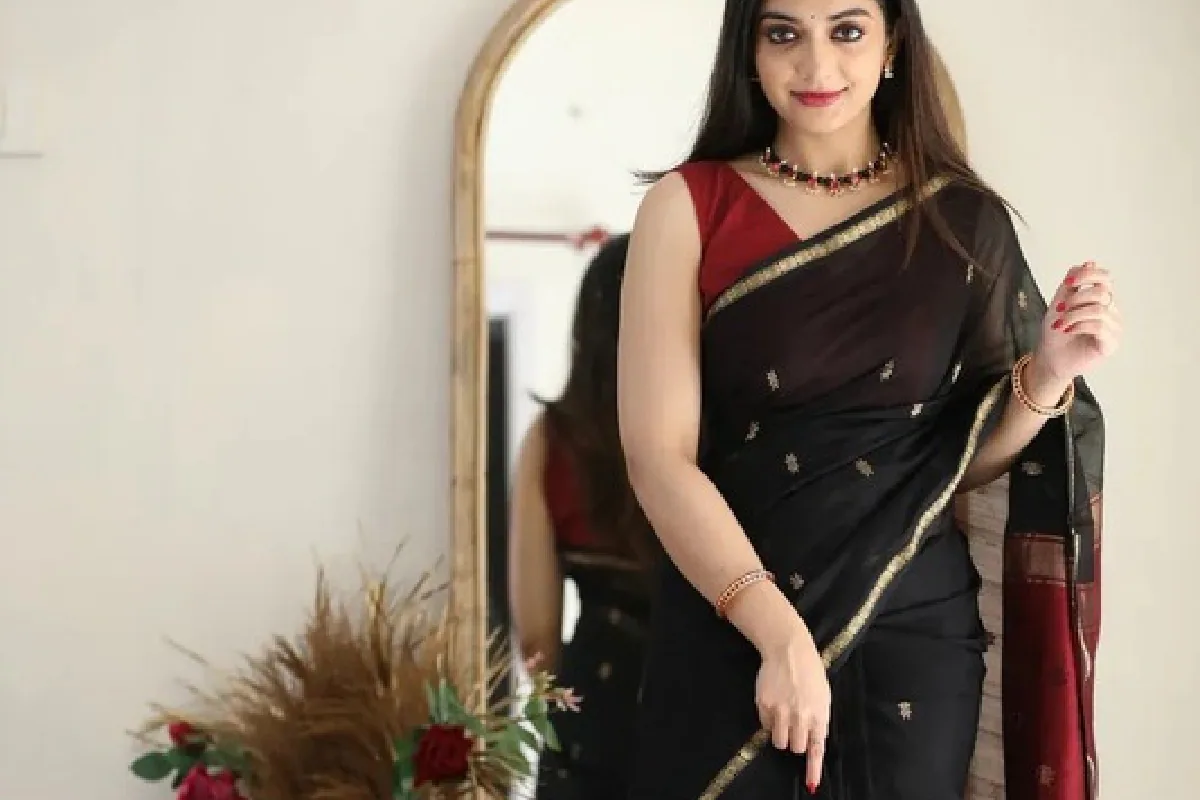
Six ways to wear an heirloom weave without it wearing you — from the drape to the blouse to what you leave off.